Untitled
BlogTable of Contents
- BTS May Be Spending Time Apart Right Now, But They're Actually Closer ...
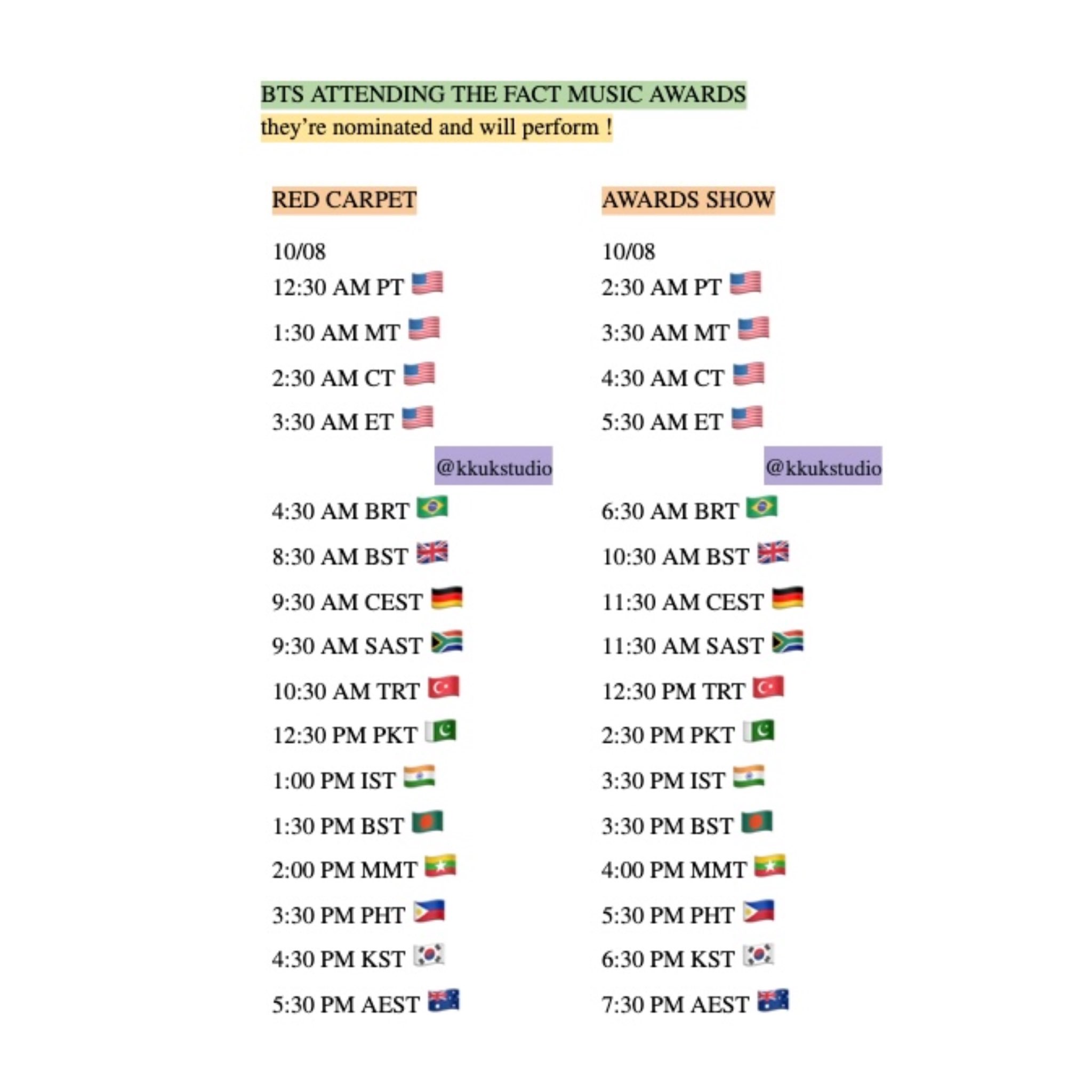
- vale 🏖️🏟️ on Twitter: "#BTS @ THE FACT MUSIC AWARDS - TIME ZONES ...
- University Study Shows How BTS May Have Actually Saved Lives During The ...
- Pin on BTS | Bts quotes, Wasting time, Quotes
- BTS Chosen For Time Magazine's 'Next Generation Leaders' List ...
- How BTS Made One Night Last Forever - The Atlantic
- BTS on Twitter: "Save the date and keep an eye on https://t.co ...
- BTS’s USA Comeback Goals Seemed Impossible But ARMYs Made It Happen ...
- 방⁷ on Twitter: "armys re-designing the time cover of bts bec. time cant ...
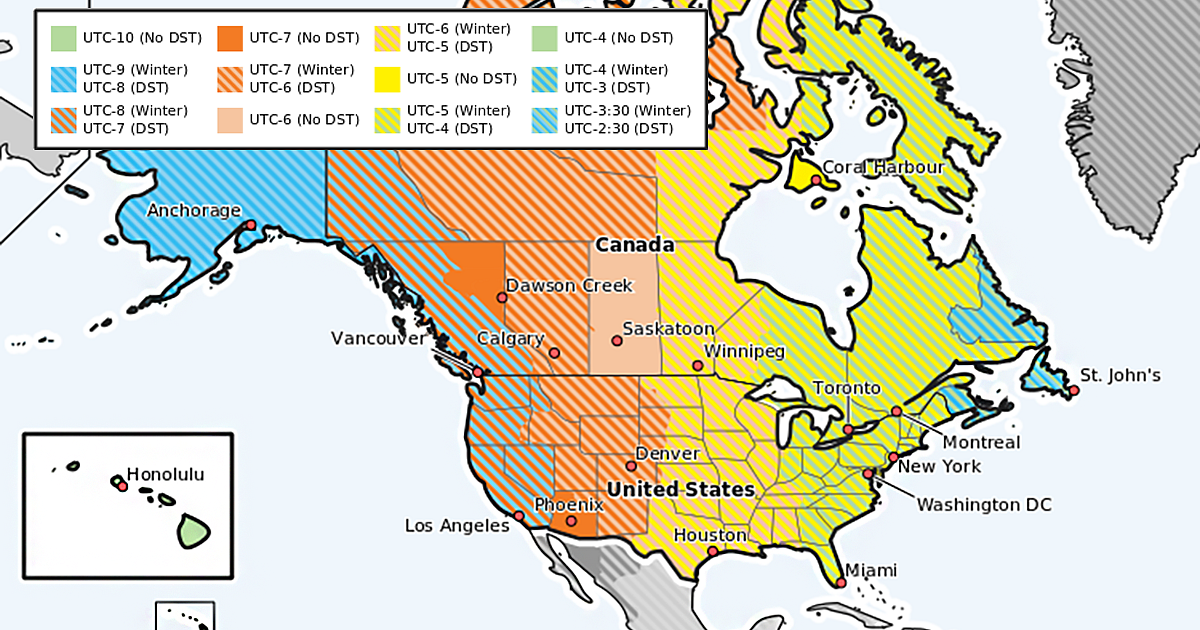
- Map Of Daylight Savings Time Zones – Get Latest Map Update
Timekeeping Through the Ages: Unraveling the Fascinating History of Time Zones and Daylight Saving Time
Have you ever wondered how the world came to be divided into time zones, or why we bother with the bi-annual ritual of changing our clocks for Daylight Saving Time (DST)? The history of time zones and DST is a fascinating tale that spans centuries, shaped by the needs of transportation, trade, and our quest for efficiency. In this article, we'll delve into the evolution of timekeeping, exploring how time zones and DST became an integral part of our modern world.


The Early Days of Timekeeping

In ancient times, people used sundials, water clocks, and astronomical observations to keep track of time. As civilizations grew and trade expanded, the need for a standardized system of timekeeping became increasingly important. In the 19th century, the introduction of railroads and telegraphs accelerated the need for a coordinated time system, leading to the development of time zones.

The Introduction of Time Zones
The concept of time zones was first proposed by Canadian railway engineer Sir Sandford Fleming in 1879. Fleming suggested dividing the world into 24 time zones, each separated by one hour. This idea was initially met with skepticism but eventually gained acceptance, and in 1884, the International Meridian Conference in Washington, D.C. adopted Fleming's proposal. The world was officially divided into time zones, with the prime meridian in Greenwich, England serving as the reference point.

The Birth of Daylight Saving Time (DST)
The idea of DST was first proposed by Benjamin Franklin in 1784, but it didn't become widely adopted until World War I. Germany and Austria implemented DST in 1916 as a way to conserve energy, and other countries soon followed suit. The concept was simple: by moving the clock forward in the summer, people could make the most of natural daylight during their waking hours, reducing the need for artificial lighting and thus saving energy.

Evolution of DST
Over the years, the implementation of DST has varied widely across countries and even within countries. Some nations, like Japan and India, have opted out of DST altogether, while others, like the United States and Australia, observe DST but with different start and end dates. The benefits of DST are still debated, with some arguing that it saves energy and promotes outdoor activities, while others claim that it disrupts sleep patterns and has minimal impact on energy consumption.

The history of time zones and DST is a testament to human ingenuity and our quest for efficiency. From the early days of sundials to the modern world of atomic clocks, our understanding of time and its measurement has evolved significantly. As we continue to navigate the complexities of global timekeeping, it's essential to appreciate the historical context that has shaped our modern world. Whether you're a fan of DST or not, it's undeniable that time zones and DST have become an integral part of our daily lives, influencing everything from our work schedules to our social interactions.
So the next time you set your clocks forward or backward, remember the fascinating history behind time zones and DST. Who knows? You might just appreciate the extra hour of daylight (or sleep) a little bit more.